Clarity on Command
Clarity on Command

Capitol AI provides sovereign infrastructure for your enterprise data where it already lives. Your experts govern the workflow, your teams choose the model, and Capitol AI produces finished, auditable outputs inside your environment.

Capitol AI provides sovereign infrastructure for your enterprise data where it already lives. Your experts govern the workflow, your teams choose the model, and Capitol AI produces finished, auditable outputs inside your environment.

Slide 1
Slide 2
Slide 3
Slide 4
Slide 5
Slide 6
Slide 7
Slide 8
Scroll / Drag
Slide 1
Slide 2
Slide 3
Slide 4
Slide 5
Slide 6
Slide 7
Slide 8
Scroll / Drag
Slide 1
Slide 2
Slide 3
Slide 4
Slide 5
Slide 6
Slide 7
Slide 8
Scroll / Drag

For work that has to hold up.

For work that has to hold up.

Chat tools answer questions. Capitol AI runs governed work. It turns institutional knowledge and expert process into repeatable AI workflows that use your data, operate inside your controls, and produce the auditability required for high stakes enterprise work.

Chat tools answer questions. Capitol AI runs governed work. It turns institutional knowledge and expert process into repeatable AI workflows that use your data, operate inside your controls, and produce the auditability required for high stakes enterprise work.

Backed by Y Combinator
Governed data.

Use approved data where it already lives instead of moving files into one-off chats.

Institutional workflows.

Turn individual methods into canonical workflows the whole organization can run, review, and improve.

Model independence.

Connect data, models, and tools without tying your operating model to a single closed ecosystem.

Defensible artifacts.

Produce finished work with sources, steps, approvals, evaluations, and human review built in.

Make your data usable without losing control.

Use your data on your terms.

Capitol connects the sources your teams already use, then prepares the data, governs access, and preserves lineage before it enters a workflow. Proprietary context stays controlled, traceable, and auditable.

Connect every source

Bring together internal systems, repositories, data rooms, documents, databases, spreadsheets, archives, public sources, and live research.

Work with structured & unstructured data

Use files, filings, transcripts, records, tables, archives, and systems that were never designed to work together.

Prepare data for reliable AI work

Normalize formats, reconcile fragmented inputs, and turn messy information into workflow-ready context.

Control access by source and workflow

Set who and what can use each source by role, team, workflow, or agent.

Keep lineage intact

Trace outputs back to the sources, data, steps, and decisions that produced them.

Govern usage, access, and cost

See which workflows use which data, who can run them, and what each workflow costs.

Govern how AI works inside your walls.

Control how AI works inside your walls.

Govern how AI works inside your walls.

Capitol gives teams clear control over data, workflow logic, models, tools, reviews, approvals, costs, and outputs. Your organization owns the process, not the model provider.

Capitol gives teams control over every layer: data, workflow logic, models, tools, reviews, approvals, costs, and outputs. The process belongs to your organization, not to the model provider.

Capitol gives teams clear control over data, workflow logic, models, tools, reviews, approvals, costs, and outputs. Your organization owns the process, not the model provider.

Data control
Run workflows on approved sources, inside your environment, with access controls and lineage built in.

Workflow control
Define the steps, rules, tools, model calls, review points, approvals, and final outputs.

Model control
Route each step to the best model, optimize cost, speed, and quality, and switch anytime with no lock-in.

Infrastructure for institutional intelligence.

More Ways To Work

Capitol combines data infrastructure, workflow design, model orchestration, built-in tools, governance, evaluation, and artifact generation in a single environment.

Data layer

Connect, transform, govern, and trace the information every workflow depends on.

Executive Risk Summary

Powerpoint File

Amazon S3

Google Drive

Microsoft Azure

Workflow layer

Encode the process: sources, rules, model calls, tools, approvals, and human review.

Google Drive

Deep Research

Powerpoint

Evaluation

Approval

Amazon S3

Prompt

Output layer

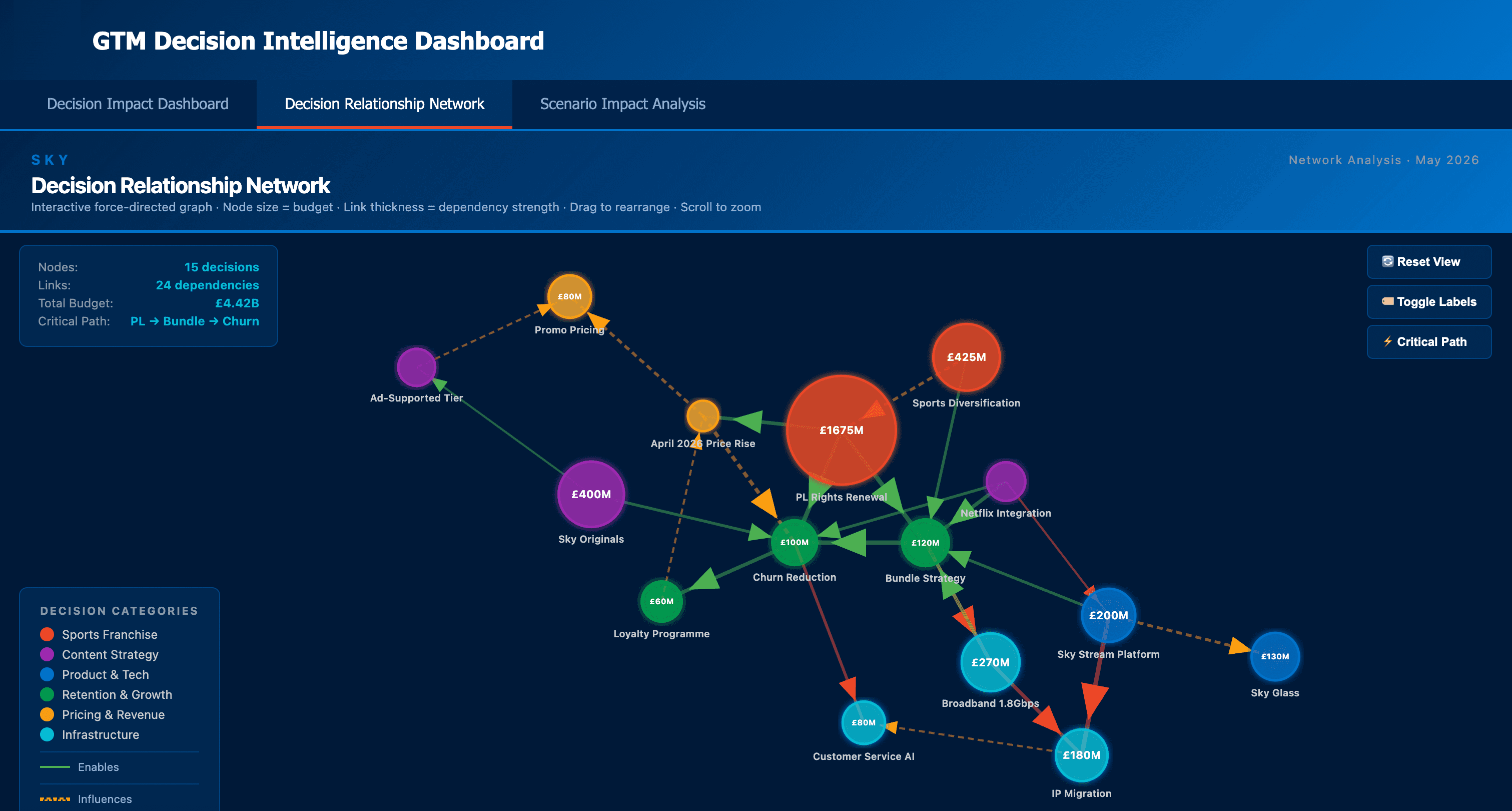
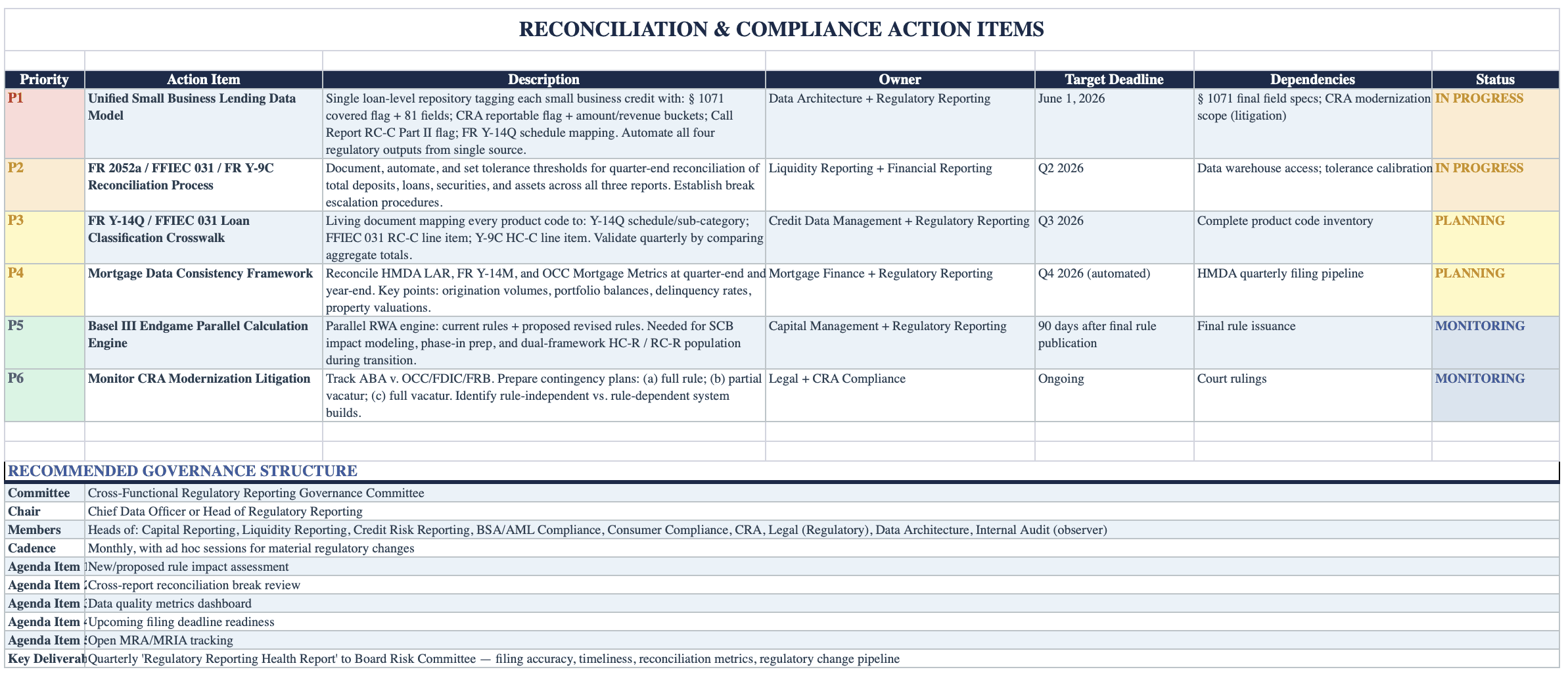
Generate finished reports, filings, models, decks, apps, and published artifacts with attribution built in.

Executive Risk Summary

Powerpoint

GTM Intelligence Dash

Web Page

Sentiment Analysis

Spreadsheet

Intelligence Agent

Data layer

Connect, transform, govern, and trace the information every workflow depends on.

Executive Risk Summary

Powerpoint File

Amazon S3

Google Drive

Microsoft Azure

Workflow layer

Encode the process: sources, rules, model calls, tools, approvals, and human review.

Google Drive

Deep Research

Powerpoint

Evaluation

Approval

Amazon S3

Prompt

Output layer

Generate finished reports, filings, models, decks, apps, and published artifacts with attribution built in.

Executive Risk Summary

Powerpoint

GTM Intelligence Dash

Web Page

Sentiment Analysis

Spreadsheet

Intelligence Agent

Data layer

Connect, transform, govern, and trace the information every workflow depends on.

Executive Risk Summary

Powerpoint File

Amazon S3

Google Drive

Microsoft Azure

Workflow layer

Encode the process: sources, rules, model calls, tools, approvals, and human review.

Google Drive

Deep Research

Powerpoint

Evaluation

Approval

Amazon S3

Prompt

Output layer

Generate finished reports, filings, models, decks, apps, and published artifacts with attribution built in.

Executive Risk Summary

Powerpoint

GTM Intelligence Dash

Web Page

Sentiment Analysis

Spreadsheet

Intelligence Agent

Data layer

Connect, transform, govern, and trace the information every workflow depends on.

Executive Risk Summary

Powerpoint File

Amazon S3

Google Drive

Microsoft Azure

Workflow layer

Encode the process: sources, rules, model calls, tools, approvals, and human review.

Google Drive

Deep Research

Powerpoint

Evaluation

Approval

Amazon S3

Prompt

Output layer

Generate finished reports, filings, models, decks, apps, and published artifacts with attribution built in.

Executive Risk Summary

Powerpoint

GTM Intelligence Dash

Web Page

Sentiment Analysis

Spreadsheet

Intelligence Agent

Tune every step without losing the thread.

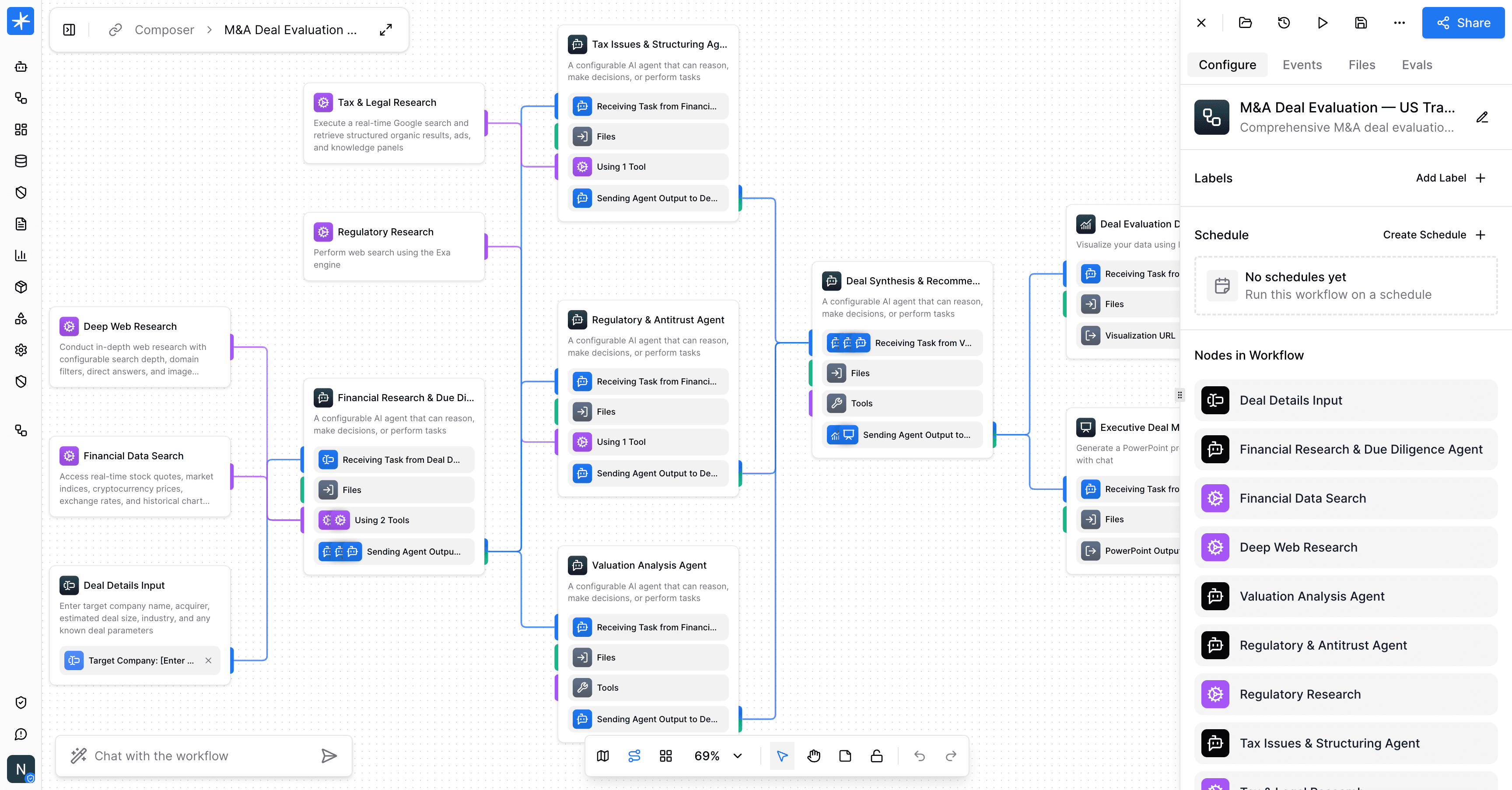
Capitol turns expert process into repeatable AI workflows. Every model, tool, decision, approval, cost, and output is controlled, auditable, and traceable so teams can move faster and lower cost without lowering the quality bar.

Your experts define the process, set where AI acts and where people review, then turn that method into a reusable workflow the whole team can run, approve, evaluate, and improve.

No-code workflow design

Build workflows without writing code. Engineers can go deeper when needed, but they are not the starting point.

Real-time collaboration

Build and refine workflows with your team the way you would work in a shared document.

Human steering

Decide where AI acts, where people review, and where approval is required.

Workflow approvals

Control which workflows are ready for broader use and who can see, edit, approve, or run them.

Versioning and reuse

Turn one expert’s method into a reusable workflow that improves over time.

No-code evaluations

Grade accuracy, relevance, and output quality without relying on engineering.

Your experts define the process, set where AI acts and where people review, then turn that method into a reusable workflow the whole team can run, approve, evaluate, and improve.

No-code workflow design

Build workflows without writing code. Engineers can go deeper when needed, but they are not the starting point.

Real-time collaboration

Build and refine workflows with your team the way you would work in a shared document.

Human steering

Decide where AI acts, where people review, and where approval is required.

Workflow approvals

Control which workflows are ready for broader use and who can see, edit, approve, or run them.

Versioning and reuse

Turn one expert’s method into a reusable workflow that improves over time.

No-code evaluations

Grade accuracy, relevance, and output quality without relying on engineering.

Built for environments where speed and control both matter.

Capitol AI is built for high-stakes teams that need speed without sacrificing control. Deployed in sensitive government and professional-services environments, it delivers fast, traceable, audit-ready outputs.
90%+

90%+

90%+

Analyst hours removed

Manual research and drafting hours removed from repeated, governed workflows.

3-5×

3-5×

3-5×

Margin expansion

Teams expand delivery capacity without expanding headcount.

100%

100%

100%

Source attribution

Every output traces back to its sources, steps, and reviewers.

12×

12×

12×

Reliability gain

More reliable than model keys alone.

Field-defining workflows.

Capitol turns complex, repeatable work into governed workflows across high-stakes teams.

Field-defining workflows.

Capitol turns complex, repeatable work into governed workflows across high-stakes teams.

Field-defining workflows.

Capitol turns complex, repeatable work into governed workflows across high-stakes teams.

Your questions, answered.

How Capitol handles data, security, models, workflows, and output quality.

How can I try Capitol?

The best way to see Capitol is through a working demo on your own data. Bring a real workflow, and we will show how Capitol connects the data, builds the process, runs the work, and produces an auditable output.

What does model agnostic mean?

It means you are not locked into one provider. Capitol can use OpenAI, Anthropic, open-source models, or different models for different workflow steps.

How is Capitol different from ChatGPT, Claude, or Codex?

Those tools give individuals access to powerful models. Capitol gives organizations a governed way to use those models on their own data, inside repeatable workflows, with access controls, built-in tools, evaluations, audit trails, and finished outputs.

What can Capitol produce?

Reports, filings, financial models, spreadsheets, decks, apps, published content, and other auditable deliverables.

Who builds the workflows?

The people who understand the work: analysts, researchers, operators, and subject-matter experts. Engineers can extend workflows when needed, but they are not the bottleneck.

How long does it take to get started?

Days, not months. Capitol can connect to your data and start producing useful workflow output quickly.

Can I control the tradeoff between cost, speed, and quality?

Yes. You set the priority for each workflow. Capitol routes each step to an appropriate model to meet it, and no-code evaluations confirm the quality standard is held.

How does Capitol reduce AI cost over time?

Through Compounding, Capitol’s self-learning loop. The system learns which parts of the workflow to keep more deterministic, so future runs become more predictable, faster, and cheaper over time.

Does lower cost mean lower quality?

No. Quality is checked by no-code evaluations against the standard you set. Routing optimizes cost and speed beneath that standard rather than lowering it.

How secure is Capitol?

Capitol supports controlled deployment, single-tenant hosting, bring-your-own-key, role-based access, and SOC 2 compliance. Your data stays under your control and does not train third-party models.

Can non-technical teams evaluate workflow quality?

Yes. No-code evaluations let teams grade accuracy, relevance, and output quality without engineering support.

Your questions, answered.

How Capitol handles data, security, models, workflows, and output quality.

How can I try Capitol?

The best way to see Capitol is through a working demo on your own data. Bring a real workflow, and we will show how Capitol connects the data, builds the process, runs the work, and produces an auditable output.

What does model agnostic mean?

It means you are not locked into one provider. Capitol can use OpenAI, Anthropic, open-source models, or different models for different workflow steps.

How is Capitol different from ChatGPT, Claude, or Codex?

Those tools give individuals access to powerful models. Capitol gives organizations a governed way to use those models on their own data, inside repeatable workflows, with access controls, built-in tools, evaluations, audit trails, and finished outputs.

What can Capitol produce?

Reports, filings, financial models, spreadsheets, decks, apps, published content, and other auditable deliverables.

Who builds the workflows?

The people who understand the work: analysts, researchers, operators, and subject-matter experts. Engineers can extend workflows when needed, but they are not the bottleneck.

How long does it take to get started?

Days, not months. Capitol can connect to your data and start producing useful workflow output quickly.

Can I control the tradeoff between cost, speed, and quality?

Yes. You set the priority for each workflow. Capitol routes each step to an appropriate model to meet it, and no-code evaluations confirm the quality standard is held.

How does Capitol reduce AI cost over time?

Through Compounding, Capitol’s self-learning loop. The system learns which parts of the workflow to keep more deterministic, so future runs become more predictable, faster, and cheaper over time.

Does lower cost mean lower quality?

No. Quality is checked by no-code evaluations against the standard you set. Routing optimizes cost and speed beneath that standard rather than lowering it.

How secure is Capitol?

Capitol supports controlled deployment, single-tenant hosting, bring-your-own-key, role-based access, and SOC 2 compliance. Your data stays under your control and does not train third-party models.

Can non-technical teams evaluate workflow quality?

Yes. No-code evaluations let teams grade accuracy, relevance, and output quality without engineering support.

FAQ

How Capitol handles data, security, models, workflows, and output quality.

How can I try Capitol?

The best way to see Capitol is through a working demo on your own data. Bring a real workflow, and we will show how Capitol connects the data, builds the process, runs the work, and produces an auditable output.

What does model agnostic mean?

It means you are not locked into one provider. Capitol can use OpenAI, Anthropic, open-source models, or different models for different workflow steps.

How is Capitol different from ChatGPT, Claude, or Codex?

Those tools give individuals access to powerful models. Capitol gives organizations a governed way to use those models on their own data, inside repeatable workflows, with access controls, built-in tools, evaluations, audit trails, and finished outputs.

What can Capitol produce?

Reports, filings, financial models, spreadsheets, decks, apps, published content, and other auditable deliverables.

Who builds the workflows?

The people who understand the work: analysts, researchers, operators, and subject-matter experts. Engineers can extend workflows when needed, but they are not the bottleneck.

How long does it take to get started?

Days, not months. Capitol can connect to your data and start producing useful workflow output quickly.

Can I control the tradeoff between cost, speed, and quality?

Yes. You set the priority for each workflow. Capitol routes each step to an appropriate model to meet it, and no-code evaluations confirm the quality standard is held.

How does Capitol reduce AI cost over time?

Through Compounding, Capitol’s self-learning loop. The system learns which parts of the workflow to keep more deterministic, so future runs become more predictable, faster, and cheaper over time.

Does lower cost mean lower quality?

No. Quality is checked by no-code evaluations against the standard you set. Routing optimizes cost and speed beneath that standard rather than lowering it.

How secure is Capitol?

Capitol supports controlled deployment, single-tenant hosting, bring-your-own-key, role-based access, and SOC 2 compliance. Your data stays under your control and does not train third-party models.

Can non-technical teams evaluate workflow quality?

Yes. No-code evaluations let teams grade accuracy, relevance, and output quality without engineering support.

Your questions, answered.

How Capitol handles data, security, models, workflows, and output quality.

How can I try Capitol?

The best way to see Capitol is through a working demo on your own data. Bring a real workflow, and we will show how Capitol connects the data, builds the process, runs the work, and produces an auditable output.

What does model agnostic mean?

It means you are not locked into one provider. Capitol can use OpenAI, Anthropic, open-source models, or different models for different workflow steps.

How is Capitol different from ChatGPT, Claude, or Codex?

Those tools give individuals access to powerful models. Capitol gives organizations a governed way to use those models on their own data, inside repeatable workflows, with access controls, built-in tools, evaluations, audit trails, and finished outputs.

What can Capitol produce?

Reports, filings, financial models, spreadsheets, decks, apps, published content, and other auditable deliverables.

Who builds the workflows?

The people who understand the work: analysts, researchers, operators, and subject-matter experts. Engineers can extend workflows when needed, but they are not the bottleneck.

How long does it take to get started?

Days, not months. Capitol can connect to your data and start producing useful workflow output quickly.

Can I control the tradeoff between cost, speed, and quality?

Yes. You set the priority for each workflow. Capitol routes each step to an appropriate model to meet it, and no-code evaluations confirm the quality standard is held.

How does Capitol reduce AI cost over time?

Through Compounding, Capitol’s self-learning loop. The system learns which parts of the workflow to keep more deterministic, so future runs become more predictable, faster, and cheaper over time.

Does lower cost mean lower quality?

No. Quality is checked by no-code evaluations against the standard you set. Routing optimizes cost and speed beneath that standard rather than lowering it.

How secure is Capitol?

Capitol supports controlled deployment, single-tenant hosting, bring-your-own-key, role-based access, and SOC 2 compliance. Your data stays under your control and does not train third-party models.

Can non-technical teams evaluate workflow quality?

Yes. No-code evaluations let teams grade accuracy, relevance, and output quality without engineering support.